
Photodynamic Therapy
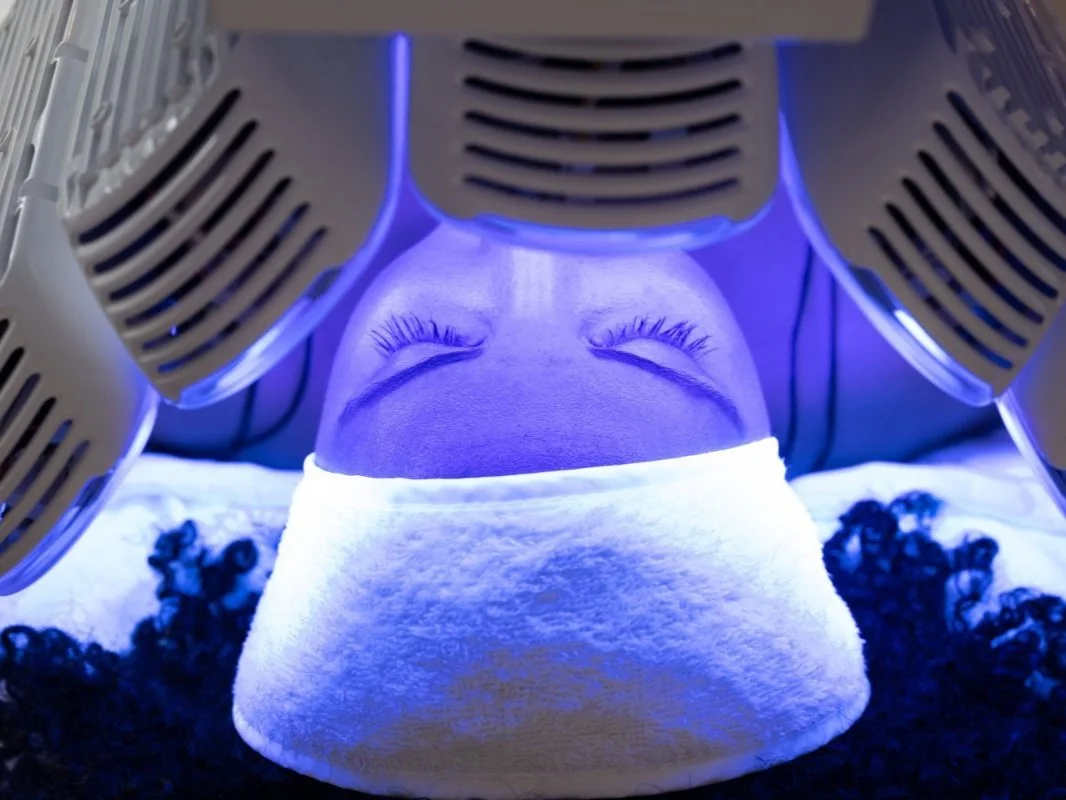
What is Photodynamic Therapy?
Photodynamic therapy (PDT) is a light-based treatment used on sun-damaged skin and certain early-stage surface cancers. How it works is by applying a special cream known as 5-ALA to the concerned area, and leaving it to absorb before applying a specific wavelength of light. This light turns the absorbed cream into a substance that helps destroy damaged or abnormal skin cells, while leaving the healthy surrounding skin untouched. Because the treatment is non-surgical, it can cover larger sun-exposed areas, such as the face, scalp or hands, or multiple at once, while healing with little visible scarring.
When PDT May Be Used
Doctors may prescribe photodynamic treatment for a range of skin concerns, including sun-damaged skin. PDT treatment for skin cancer may also be used for specific early stages of superficial damage, such as for precancerous lesions, like actinic keratoses, and again, only after a professional assessment.
What’s Involved in Photodynamic Therapy
The first step in phototherapy for skin conditions of any type is a thorough assessment by a doctor. If they find you’re suitable for PDT, you’ll be informed of all the risks and benefits of the treatment before starting the process.
Two weeks prior to the treatment itself, you will start to use an exfoliating cleanser and ointment each night. Immediately before the treatment, your skin will be cleansed, and the ALA cream applied by our nurse, which will be left to absorb. This can take 1 to 2 hours, so feel free to bring a book or laptop to pass the time.
Once absorbed, the light source is applied via the LED light. It can feel strange and uncomfortable, but most people only need a fan and cooling spray with no pain relief. Following the treatment, you can be on your way, making sure you avoid the sun for the next 48 hours.
Treatment Variations
Photodynamic therapy can be applied in a few different ways. There are the photosensitisers or creams themselves, different light sources, including LED light therapy, laser light or daylight PDT, and also the treatment time. Which is used from each will depend on the condition and location of the treatment area or lesion, and the assessment by your doctor.
Considering Photodynamic Therapy?
If you believe you have sun-damaged skin and want to explore photodynamic therapy in Perth, booking a consultation should be your first step. Contact us today to book yours.
Photodynamic therapy, also referred to as PDT, is an evidence based medical treatment designed to treat superficial skin cancers and actinic keratoses.
It only takes a UV index of 3 or above for the skin to start being damaged. Even in winter, the UV index in Western Australia can sit around 3 to 4, with Perth having some of the highest rates of skin damage in the state. With photodynamic therapy in Perth, you can help destroy these abnormal or precancerous skin cells, while leaving the surrounding skin untouched. Book a consultation today to see if it’s right for you.
FAQs
-
Photodynamic therapy (PDT) is a superficial skin cancer treatment that uses a light-sensitive drug, activated by a specific wavelength of light, to target specific cells, leaving surrounding skin intact. This selectively destroys abnormal cells caused by sun-damaged or cancerous skin.
-
Some discomfort can be experienced during photodynamic treatment, it can be managed by the application of a cooling spray and applying air flow to the treatment area with a fan. Any risks will be explained to you prior to your procedure.
-
The actual photodynamic therapy treatment takes 2 to 4 hours, depending on the treatment area and its condition. You will also need to apply an exfoliating wash to the skin each night for two weeks prior to your appointment.
-
PDT treatment for skin cancer typically requires at least two sessions, two-four weeks apart, although this may be more depending on the condition and location of the sun damage. One treatment is the typical treatment course to clear solar keratoses; however, again, this may vary depending on the individual.
-
Photodynamic therapy can be used for precancerous lesions, but it does not prevent skin cancer. Even with treatment, it is important to have your skin checked regularly by a health practitioner.
-
Please see the pricing page. Full quotation for the procedure will be provided on consultation.
Note that there are no Medicare rebates for photodynamic therapy. In some cases a private health fund rebate may be available for the prescription of the 5-ALA cream. The cost of your treatment includes an aftercare pack.