Q&A with Dr Mikey Dawber: From the UK to Perth, Bringing Expertise in Skin Cancer Care
Meet Dr Mikey
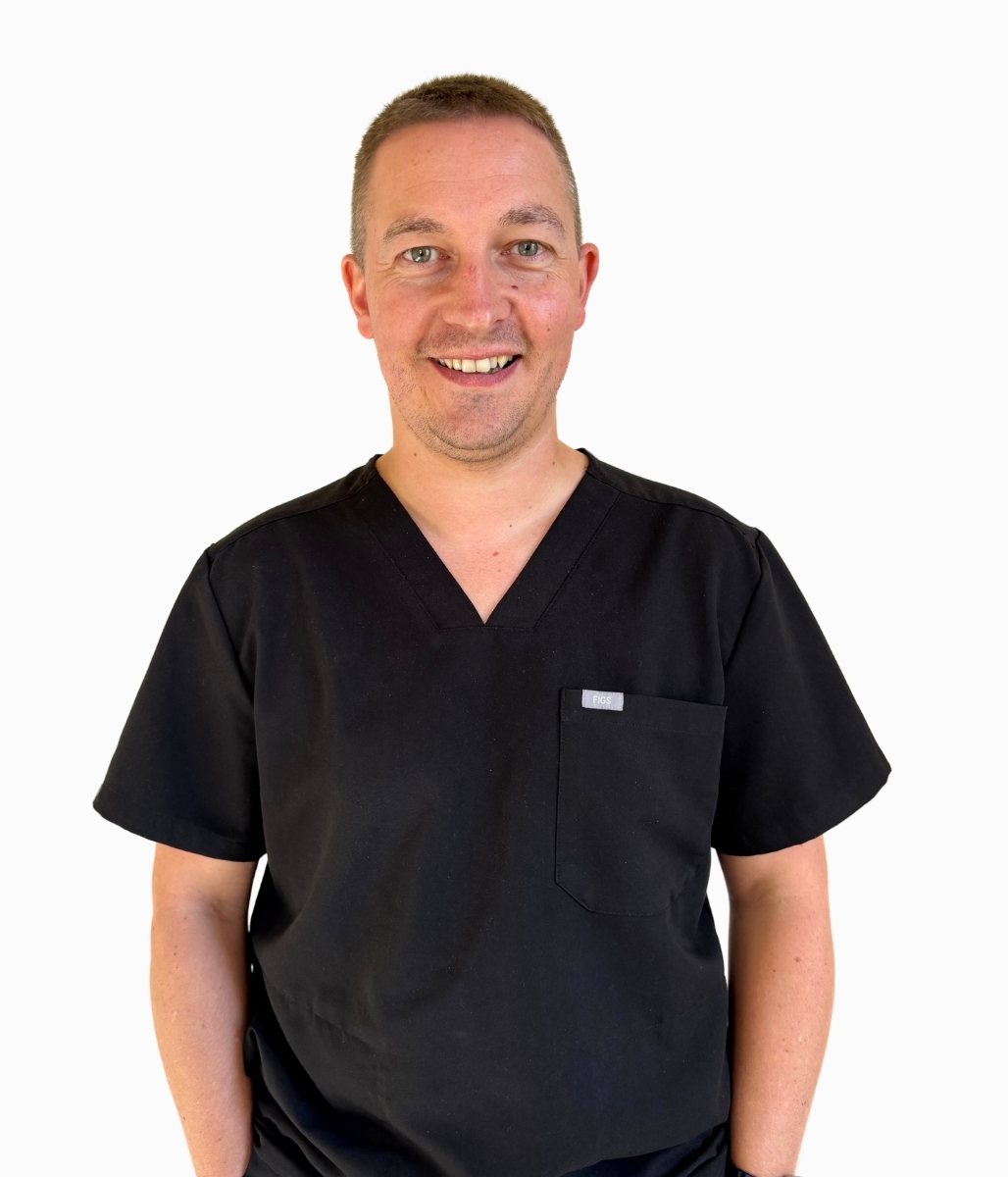
At Shade Skin, we’re proud to work with doctors who combine international training, surgical precision and a deeply patient-centred approach.
Originally from the North West of England, Dr Mikey Dawber trained in Cambridge, London and across northern England before migrating to Perth over a decade ago. With extensive surgical experience and a passion for accurate diagnosis, Dr Mikey provides comprehensive skin checks, mole assessments and skin cancer treatments for patients across Western Australia.
We asked Dr Mikey to answer the questions patients most often want to know.
Q: Can you tell us a bit about yourself? Where you trained, your qualifications, hobbies and what brought you to Perth?
Dr Mikey:
I’m originally from the North West of England. I completed my medical training in Cambridge and then spent three years working and training in South East London. After that, I moved back to the North West and worked in East Lancashire for a couple of years before commencing surgical training in West Yorkshire.
My wife, eldest daughter and I moved to Perth 12 years ago and it quickly became home for us. Professionally, the transition has been incredibly rewarding. Australia has a significant skin cancer burden so the work is meaningful and very hands-on.
Outside of medicine, I used to be a keen golfer and even played for Cambridge University during my studies. These days, with young children, I don’t play as often as I would like but I’m hoping to get back into it when life becomes a little less busy.
Q: Why did you choose to sub-specialise in skin cancer medicine, and what motivates you in this field?
Dr Mikey:
It’s funny to say but I genuinely love skin cancer medicine. It wasn’t something I originally planned. After years in orthopaedics, it wasn’t really on my radar. But after I entered GP training, one of my mentors suggested I explore skin cancer work. I tried it and it clicked instantly.
My surgical background meant I already had the procedural skills. The area I needed to upskill in was dermoscopy and diagnosis, and I’ve really enjoyed that challenge. The more I learned, the more interested I became.
Australia, and Western Australia in particular, has some of the highest skin cancer rates in the world. There is a real and ongoing need for doctors with surgical experience who can diagnose accurately and treat skin cancers with minimal scarring. I take a lot of pride in neat suturing and careful surgical technique. I’ve seen some avoidable scars over the years and I make a point of achieving the best aesthetic and functional outcome possible.
Q: What myths about skin cancer do you hear most often, and what’s the truth?
Dr Mikey:
It’s not exactly a myth, but one of the biggest misconceptions is the belief that UV radiation feels hot on your skin. It doesn’t. UV is completely invisible to our senses. You can’t feel it or detect it until the damage has already occurred.
People often wait for sunny or warm weather before thinking about sun protection. In Perth this is a problem because our UV levels stay high for much of the year, even in cooler months. I see people getting caught out by overcast days or winter conditions when they assume they don’t need sunscreen.
Burning or skin damage doesn’t require heat. It requires UV. Once you understand that, sun protection becomes a daily habit, not just a summer one.
Q: What’s one piece of advice you’d give everyone about skin cancer prevention or awareness?
Dr Mikey:
I recommend the SunSmart app to all of my patients. It gives an at-a-glance look at when the UV index will be above 2 on any given day. That’s the level where UV begins causing skin damage, even if it feels cool outside.
Using this tool makes it easier to plan outdoor activities, apply sunscreen at the right times and understand how unpredictable UV can be. It’s not a complete solution, but it’s a very useful starting point for improving long-term skin protection. Anything that helps people build those habits is worthwhile.
Other prevention advice I often share includes:
Apply broad-spectrum SPF 50+ sunscreen daily and reapply often.
Protect commonly missed areas such as the ears, neck, hands and scalp.
Wear protective clothing and hats, especially during peak UV periods.
Book regular skin checks, especially if you have fair skin, a history of sunburns or a personal or family history of skin cancer.
Small daily decisions can make a significant difference over a lifetime.
Written by Dr Emily Alfonsi
MBBS, FRACGP, DRANZCOG
Medical Director, Shade Skin
Dr Emily is a skin cancer doctor with advanced training in diagnosis and treatment. She has personally detected and treated hundreds of skin cancers and is passionate about early intervention and patient education.
Featuring Dr Michael "Mikey" Dawber
MBBS, FRACGP
AMC Certificate
Dr Mikey spent his first 7 years in Australia working in Orthopaedics, honing his surgical skills, before moving sideways into General Practice in 2020. He is currently undertaking an Advanced Clinical Certificate of Dermoscopy through Skin Cancer College Australasia, after discovering a passion for the field.