Sun Safety for Outdoor Workers: Protecting Skin on the Job in High-Risk Occupations
In Perth, we’re lucky to enjoy bright, sunny days most of the year - but for many people, that sunshine comes with a higher level of risk.
As a doctor working in skin cancer medicine, I often see outdoor workers who have spent many hours exposed to high levels of UV radiation.
Whether you’re in construction, farming, landscaping, or delivery service, protecting your skin of the job is essential to prevent long-term damage and reduce your risk of skin cancer.
What makes outdoor workers high-risk?
Outdoor workers can receive up to 10 times more UV exposure than those who work indoors. Ultraviolet (UV) rays are invisible, but their effects are cumulative.
Every unprotected hour adds up over time and increases the chance of developing skin cancer, including melanoma.
I often tell my patients that even on cloudy days, up to 80% of UV radiation still penetrates through the clouds. In Perth, the UV index is usually 3 or higher for most of the year, which means daily sun protection isn’t optional - it is essential.
Common signs I see at Shade Skin
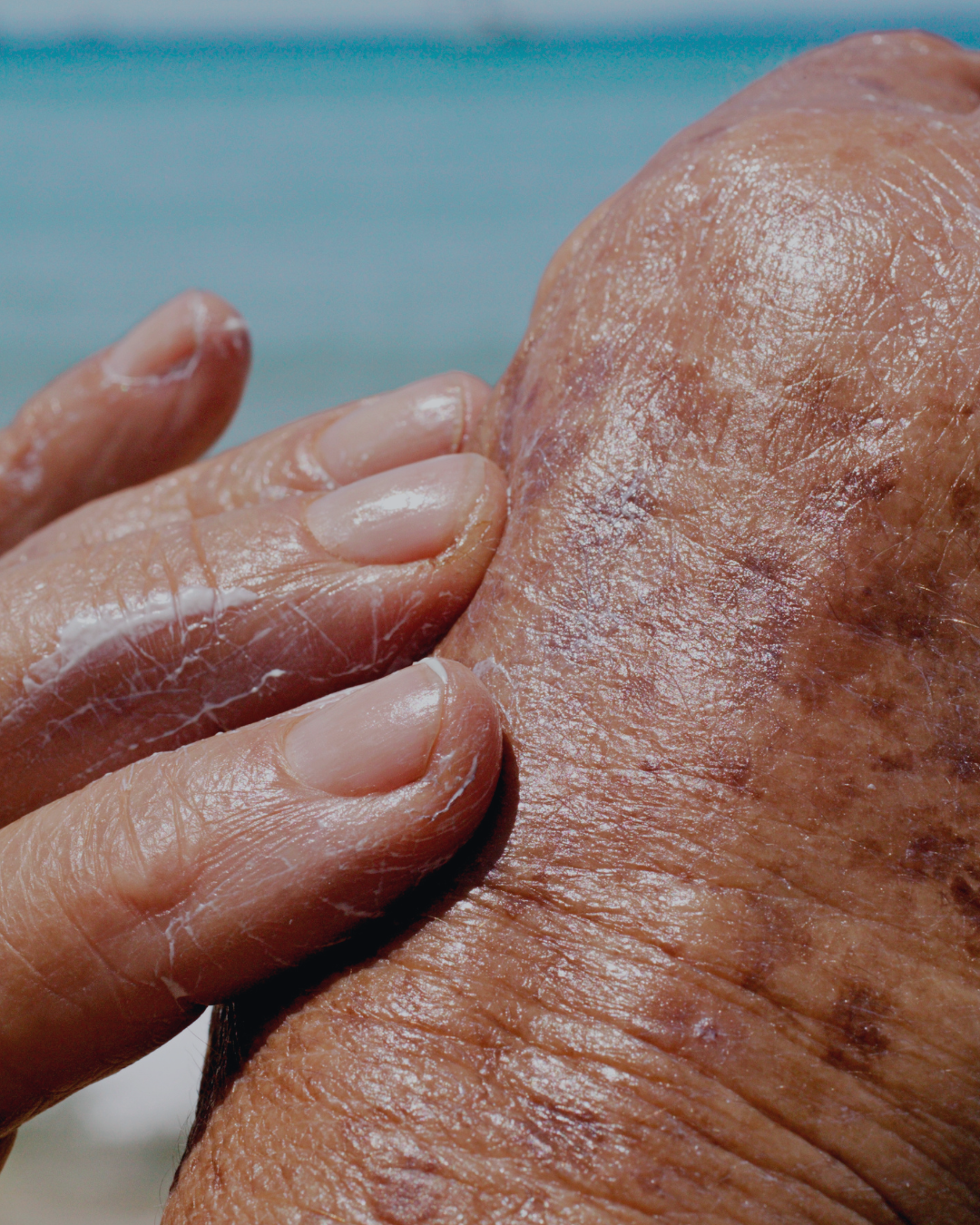
Many of my patients who work outdoors come in for a skin check after noticing changes they might have ignored for years: rough patches on the forearms, dark spots on the temples, or persistent red plaques on the scalp. These can sometimes be early signs of sun damage known as actinic keratoses, which, if left untreated, can potentially develop into skin cancers.
It’s important to remember that not every mole that looks suspicious is harmful, but only a proper skin check using the right medical equipment can confirm that.
Having a regular full-body skin check allows us to detect changes early - often before they become serious.
Building daily sun protection habits
Prevention is always better than cure, and protecting your skin doesn’t need to be complicated.
Here are key steps I recommend to all outdoor workers:
Slip on protective clothing: Choose lightweight, long-sleeved shirts and trousers with UPF-rated fabric.
Slop on SPF 50+ sunscreen: Apply 20 minutes before going outside and reapply every two hours, or sooner if sweating.
Slap on a broad-brimmed hat: It should shade your face, ears, and neck.
Seek shade whenever possible: Especially during peak UV hours (10 am – 3 pm).
Slide on wraparound sunglasses: Choose pairs that meet Australian Standards for UV protection.
These five simple actions - slip, slop, slap, seek, and slide - can significantly cut your skin cancer risk when made part of your daily routine.
Choosing the right sunscreen for your workday
Many outdoor workers tell me sunscreen feels greasy or heavy on the skin, especially in warm climates.
I usually recommend broad-spectrum water resistant SPF 50+ formulations designed for sport or physical activity - they’re more sweat-resistant and less likely to sting your eyes.
Apply it to all exposed areas, including the lips, ears, back of the neck, and tops of hands.
Ask your doctor for some personalised recommendations suited to your skin type and individual needs.
Spotting warning signs early
It’s perfectly normal to feel worried if you notice a new mole or a changing spot.
The key signs to look for include:
A mole that changes in size, shape, or colour
A spot that looks different from others on your body (“ugly duckling” sign)
A sore that doesn’t heal or bleeds easily
Rough, scaly patches that persist
If you notice any of these, it’s important to book a professional skin check rather than wait and see. Early detection leads to far better outcomes.
Building a safer workplace culture
Employers also play a critical role in protecting their teams. A solid sun safety policy shows workers that their health matters as much as productivity.
Providing shaded rest areas, protective uniforms, and accessible sunscreen stations can make a real difference.
In my experience, workplaces that normalise sun protection - much like hard hats or safety glasses - see fewer cases of sunburn and long-term skin damage.
When to book a professional skin check
If it’s been more than 12 months since your last full-body skin check, or if you have a personal or family history of skin cancer, now is a good time to schedule one.
At Shade Skin, we offer comprehensive skin checks using advanced imaging to detect subtle skin changes. A professional check provides reassurance and, if needed, early intervention - something that’s especially important when you’re outdoors day after day.
Protecting your skin is part of protecting your overall health. As outdoor workers, you’re the backbone of many essential industries, and keeping your skin safe ensures you can keep doing what you love. Sun safety isn’t about avoiding the outdoors - it’s about enjoying it safely, with the right awareness and protection.
Written by Dr Emily Alfonsi
MBBS, FRACGP, DRANZCOG, Cert Skin Cancer Medicine & Surgery
Medical Director, Shade Skin
Dr Emily is a skin cancer doctor with advanced training in diagnosis and treatment. She has personally detected and treated hundreds of skin cancers and is passionate about early intervention and patient education.